Sundayfawn guide · Baby books
Personalized baby books: a read-aloud now, a keepsake after.
A practical guide to personalized baby books — what to put in one, which kind to choose, and how to turn the details of one child's beginning into a book the family can keep.
Fact-checked against current product information · September 4, 2026
The short answer
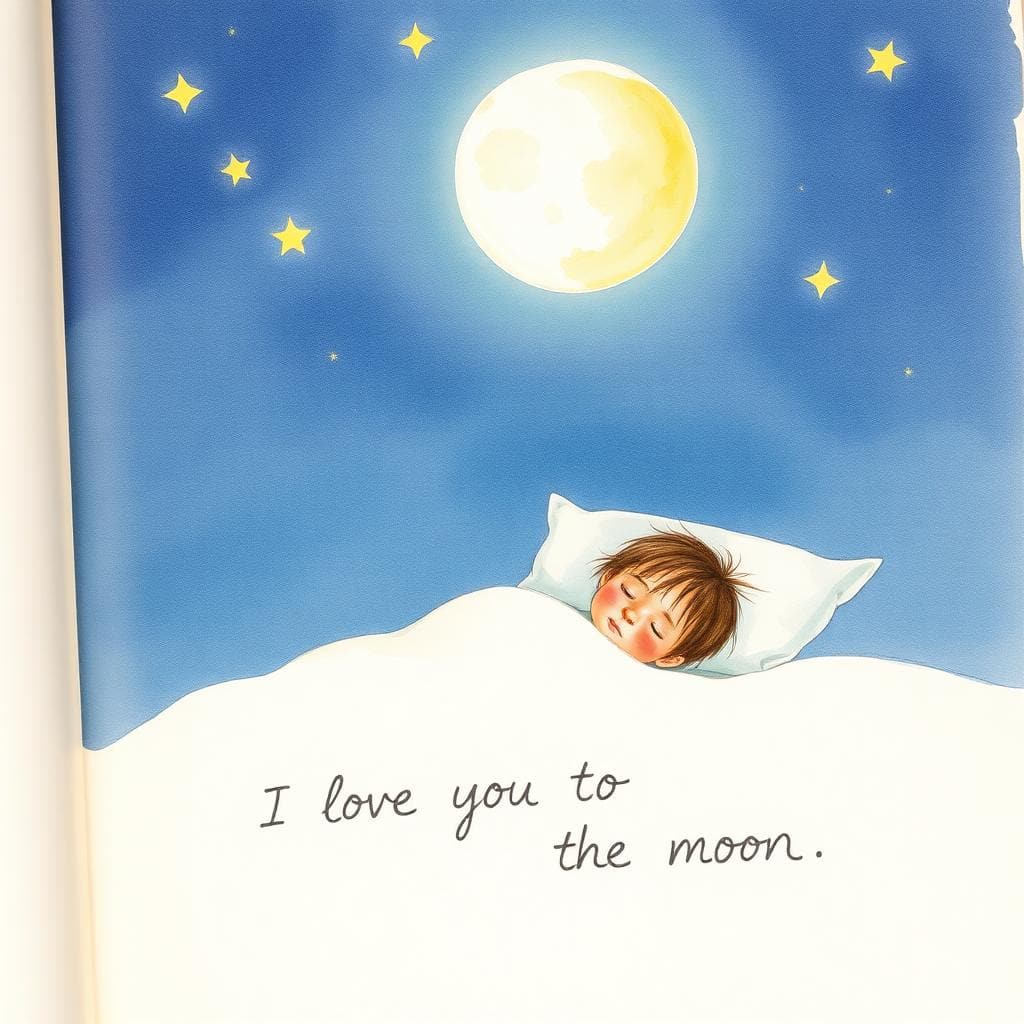
A personalized baby book can do two jobs at once: give the family something meaningful to read aloud now and preserve details from one child's beginning for later.
For an arrival-story keepsake, the most valuable material is specific: who was waiting, how the name was chosen, the season and place, siblings and pets, first days home, and the family details you do not want to forget.
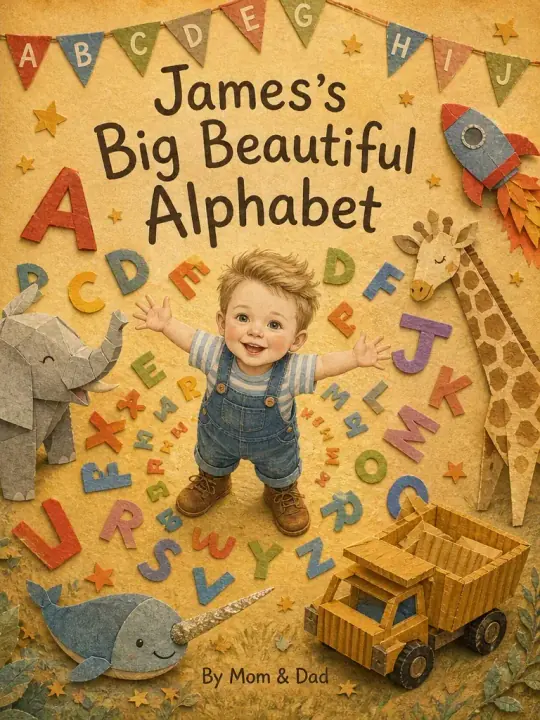
For a simpler first storybook, look for short read-aloud text, recognizable family details and a physical format you are comfortable reading together rather than handing over as a chew-proof toy.
Two different jobs a personalized baby book can do
The first is a read-aloud: a book with gentle language, familiar people and a child at the centre of the story. The baby does not need to understand the personalization for the family to enjoy reading it together.
The second is a keepsake: a record of the beginning — the people who were waiting, the day the child arrived, the room that was ready, the dog who met them, and the small details that become harder to remember later.
Some books try to do one job; some can do both. Knowing which matters more to you makes the purchase much easier.
Arrival story vs. first storybook
The arrival story. A book about the waiting, the day itself and the first days as a family. This is the classic keepsake shape. Sundayfawn's When You Were Born is built for this kind of brief.
The first storybook. A gentle story that stars the baby but is not necessarily about the birth — familiar people, pets, places and simple adventures designed to be read aloud.
Neither is more personalized by definition. The useful question is what information can actually change the finished story and illustrations.
Details worth saving in a baby book
You do not need every detail from the first year. A few specific ones make the story feel unmistakably like this child and this family.
Who was waiting
Parents, grandparents, siblings and anyone else whose anticipation belongs in the story.
The world they arrived into
Season, weather, city, hospital or home, and the room or home waiting for them.
The name story
Why the name was chosen, who it honours, or the meaning the family gives it.
The first days
The first walk, first night home, a sibling's reaction, the pet's first meeting, or another small moment the family still talks about.
Clear current photos
Reference photos of the baby and any family members or pets you want represented, plus real photos for a keepsake spread if the product includes one.
What to check before you buy
Ask what actually changes. A name printed into a fixed story, a configurable character and a fully custom story are all sold under the same broad label of personalized baby book.
Check the preview process. For a highly specific keepsake, being able to review the complete book before printing is more valuable than only seeing a cover mockup.
Check the physical object too: page count, trim size, cover, paper and whether the book is meant to be a durable read-together keepsake or a board book designed for independent baby handling.
As a new-baby or grandparent gift
A custom arrival book works best when the person making it has access to the family's real details and current photos. Before the baby is born, gifting the making of the book can be more practical than guessing at details that do not exist yet.
For grandparents, the book can also preserve the grandparent's place in the beginning — the calls, visits, nickname, family tradition or first meeting. See the personalized books for grandchildren guide.
For current production and delivery information, use Sundayfawn's shipping page rather than relying on an old guide date.
Where Sundayfawn fits
Sundayfawn makes fully custom baby storybooks. Customer-supplied photos and details can shape the story and illustrations, including the real people, siblings and pets who belong in the child's beginning.
The current hardcover is 8.5 × 11 inches and 38 pages, and the complete digital edition can be reviewed before the physical book is sent to print. A two-page keepsake spread can hold up to six real photographs.
See real finished books, explore When You Were Born, or start a book.
- ✓ Story can be built from the real arrival
- ✓ Characters illustrated from supplied photos
- ✓ Family members, siblings and pets can join the cast
- ✓ Photo keepsake spread — up to six photos
- ✓ 8.5 × 11 inch matte hardcover, 38 pages
- ✓ Full digital review before printing
Questions, answered.
What age is a personalized baby book for?
There is no single age. Families can read one aloud from the beginning, while an arrival-story version also works as a keepsake because it records the child's own beginning.
Is a baby book better as an arrival story or a first storybook?
They do different jobs. A first storybook is mainly about reading together; an arrival story is mainly about preserving the beginning. Choose based on which job matters more to the gift.
What details should I put in a personalized baby book?
Useful details include who was waiting, the name story, season and place, siblings and pets, a few first-day moments, and clear current photos of the people you want represented.
Can the baby's real photos be included?
In Sundayfawn, supplied photos are used as visual reference for illustrated characters, and a separate two-page keepsake spread can hold up to six real photographs.
Is a personalized baby book a good baby-shower gift before the baby is born?
It can be, but an arrival-story book needs details that may not exist yet. One practical option is to gift the creation of the book and make it after the name, date and first photos are available.
Can siblings or grandparents be in the baby's book?
Yes. In a fully custom Sundayfawn story, additional family members can join the cast when you provide clear reference photos and the details you want included.
Keep reading
Ready to make the one that only your family can make?